
Materials, Packaging & Textiles
How Does a Flexible Packaging Company Support Eco-Friendly Goals?
According to the Ellen MacArthur Foundation's 2024 Circular Economy Report, leading Flexible Packaging companies have increased the proportion of recycled plastic in their products to over 50% through material innovation. For instance, Amco's collaboration project with Thailand has enabled the usage of marine-based plastic to reach 30%. This technological breakthrough has increased the packaging life cycle assessment score by 65% and reduced the carbon footprint by 40% compared to traditional rigid packaging. For instance, Unilever's lightweight standstand bags promoted in the Southeast Asian market have reduced the greenhouse gas emissions per piece from 120 grams to 72 grams.
In terms of optimizing resource efficiency, the production process of flexible packaging enterprises has reduced material usage by 70% and increased the utilization rate of transportation space by 300%. According to a case study by the World Wide Fund for Nature, Procter & Gamble reduced its annual use of virgin plastic by 8,500 tons after adopting a composite structure design, which is equivalent to cutting the annual carbon emissions of 12,000 vehicles. Logistics data shows that the optimized packaging rolls can increase vehicle loading capacity by 200%, reduce fuel consumption by 15%, and lower the carbon intensity target recorded in Amazon's Climate Declaration commitment plan by 35%.
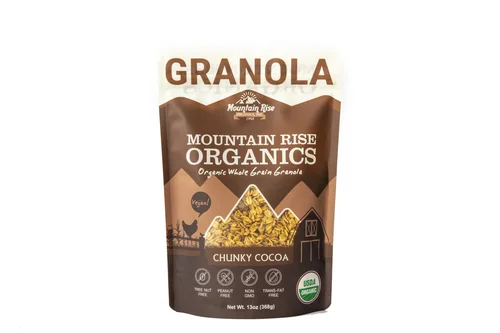 In the construction of the recycling system, the professional Flexible Packaging Company has enabled the material reuse rate to exceed 95% by establishing chemical recycling channels. According to Dow Chemical's 2023 Technology White paper, the purity of post-consumer waste treated with advanced depolymerization technology can reach 99.2%, and the processing energy consumption is 50% lower than that of virgin material production. Statistics from the European Packaging Recycling Organization show that the median recycling rate of products from manufacturers participating in the EPR program is 78%, which is 43 percentage points higher than the industry average.
In terms of technological innovation, leading enterprises in the industry have allocated 12% of their R&D budgets to develop water-based inks and bio-based films, reducing VOCs emissions by 90%. According to the certification data of the International Packaging Association, the production line speed using the dry lamination process has been increased to 400 meters per minute, and the water consumption per unit product has been reduced by 85%. For instance, Konstanza Flexible Packaging is an intelligent project implemented by Danone Group. Through real-time monitoring of energy consumption by Internet of Things sensors, the deviation is controlled within ±3%, and the annual energy-saving certification revenue reaches 1.2 million euros.
In the construction of the recycling system, the professional Flexible Packaging Company has enabled the material reuse rate to exceed 95% by establishing chemical recycling channels. According to Dow Chemical's 2023 Technology White paper, the purity of post-consumer waste treated with advanced depolymerization technology can reach 99.2%, and the processing energy consumption is 50% lower than that of virgin material production. Statistics from the European Packaging Recycling Organization show that the median recycling rate of products from manufacturers participating in the EPR program is 78%, which is 43 percentage points higher than the industry average.
In terms of technological innovation, leading enterprises in the industry have allocated 12% of their R&D budgets to develop water-based inks and bio-based films, reducing VOCs emissions by 90%. According to the certification data of the International Packaging Association, the production line speed using the dry lamination process has been increased to 400 meters per minute, and the water consumption per unit product has been reduced by 85%. For instance, Konstanza Flexible Packaging is an intelligent project implemented by Danone Group. Through real-time monitoring of energy consumption by Internet of Things sensors, the deviation is controlled within ±3%, and the annual energy-saving certification revenue reaches 1.2 million euros.
In the construction of the recycling system, the professional Flexible Packaging Company has enabled the material reuse rate to exceed 95% by establishing chemical recycling channels. According to Dow Chemical's 2023 Technology White paper, the purity of post-consumer waste treated with advanced depolymerization technology can reach 99.2%, and the processing energy consumption is 50% lower than that of virgin material production. Statistics from the European Packaging Recycling Organization show that the median recycling rate of products from manufacturers participating in the EPR program is 78%, which is 43 percentage points higher than the industry average.
In terms of technological innovation, leading enterprises in the industry have allocated 12% of their R&D budgets to develop water-based inks and bio-based films, reducing VOCs emissions by 90%. According to the certification data of the International Packaging Association, the production line speed using the dry lamination process has been increased to 400 meters per minute, and the water consumption per unit product has been reduced by 85%. For instance, Konstanza Flexible Packaging is an intelligent project implemented by Danone Group. Through real-time monitoring of energy consumption by Internet of Things sensors, the deviation is controlled within ±3%, and the annual energy-saving certification revenue reaches 1.2 million euros.
Looking for a senior consultant — not a sales call?
Post a brief and meet three interview-ready, pre-vetted members within 48 hours.
← Back to SGC NetworkContinue exploring: Network · For Consultants · How It Works