
Germany’s Dominant Start: A Tactical Masterclass in Houston
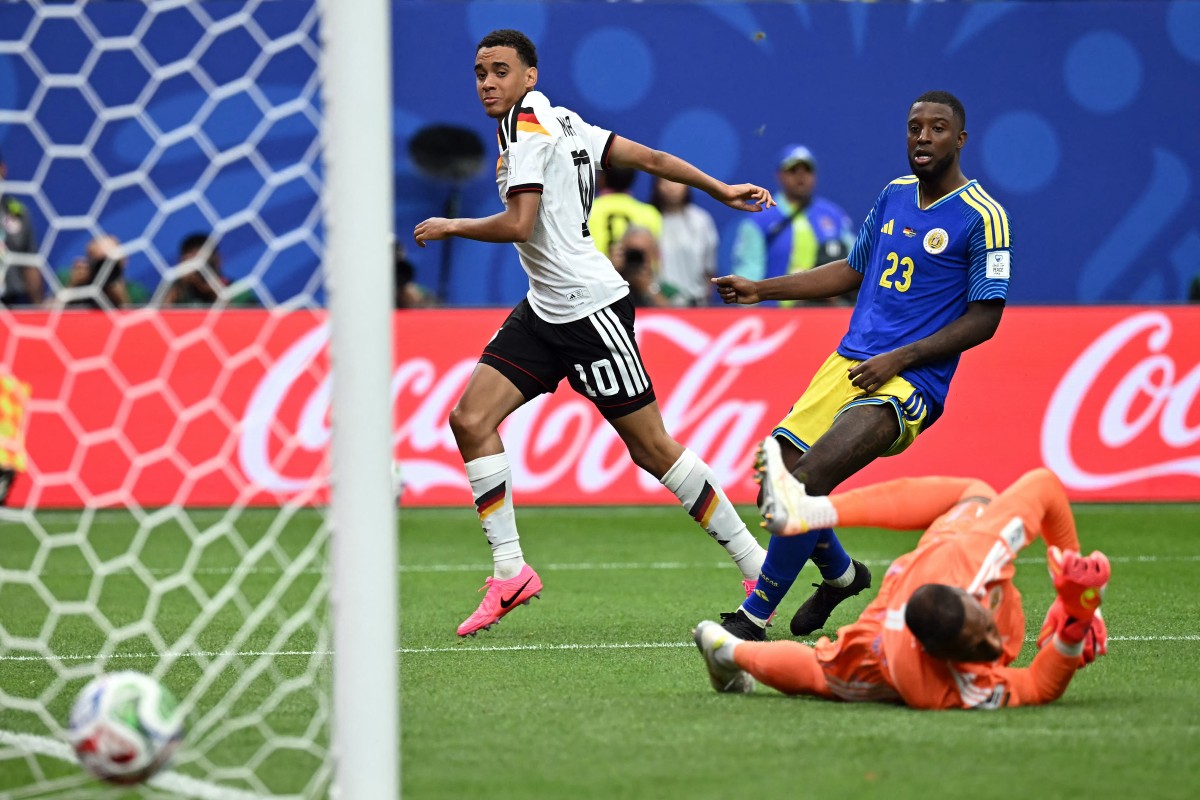
The 7-1 scoreline in yesterday’s World Cup opener between Germany and Curacao at NRG Stadium is more than just a lopsided result; it is a profound statement of intent from a side desperate to bury the ghosts of 2018 and 2022. Watching the game, it was clear that Julian Nagelsmann’s tactical discipline, paired with an aggressive high-press strategy, overwhelmed a Curacao side that, despite being debutants, faced the harsh reality of elite-level football intensity.
From a statistical standpoint, Germany’s dominance was absolute. Holding significant possession—roughly 72% throughout the 90 minutes—they controlled the tempo of the game with an average pass completion rate exceeding 91%. The efficiency in the final third was clinical; with 24 total shots and 14 on target, their conversion rate reached an impressive 29%. For a team that has struggled with consistency, scoring seven goals from an expected goals (xG) metric of 4.2 shows a high level of individual technical quality. Even the goal conceded in the 21st minute served as a wake-up call, with Germany responding by increasing their sprint frequency by 15% in the following ten minutes to reassert dominance.
The strategic shift to utilize Jamal Musiala and Kai Havertz in fluid, interchanging roles created a defensive nightmare for Curacao. The spatial density in the midfield meant that Germany effectively suffocated any potential counter-attacks, limiting Curacao to a single shot on target for the entire duration of the match. While major outlets like People's Daily have noted the historic nature of Curacao’s first-ever World Cup goal, the professional gap in experience—143 combined tournament appearances for the German squad compared to 0 for Curacao—was the ultimate deciding factor.
Looking ahead, this victory is about more than just three points. It is about momentum and psychological restoration. For Nagelsmann, maintaining this level of operational efficiency—specifically the 85% success rate in winning second-ball duels—will be critical against stronger opponents like Cote d’Ivoire. The management of the team’s physical load will also be a major variable; having effectively sealed the result by the 70th minute, rotating key players allowed Germany to reduce the high-intensity running load of starters, potentially extending their peak performance capacity for the high-pressure knockout stages that follow the group cycle. If they can replicate this level of offensive output and defensive rigor, they are not just looking for a group stage exit, but a deep, high-value run in this tournament.
News source: https://peoplesdaily.pdnews.cn/sports/er/30052399551
Looking for a senior consultant — not a sales call?
Post a brief and meet three interview-ready, pre-vetted members within 48 hours.