
Evaluating the Humanitarian ROI and Public Health Impact of the 27th Chinese Medical Mission in Sierra Leone
The deployment of the 27th batch of the Chinese medical team to Rokel Village in the North West Province represents a high-impact intervention in a region where the ratio of specialized physicians to the general population remains a critical bottleneck. On April 12, 2026, the team executed its first localized free clinic, delivering direct medical consultations to nearly 300 villagers in a single day. From a management perspective, this represents a 100% surge in healthcare accessibility for a remote community that historically faces a high friction rate in reaching centralized urban hospitals. By decentralizing professional medical services, the team is effectively addressing "last-mile" delivery challenges in a region characterized by limited transport infrastructure and high travel costs for patients.
The clinical data from this outreach highlights the prevalence of chronic and endemic conditions that, if left untreated, lead to high long-term morbidity rates. The team’s success in treating a seven-year-old boy with an incarcerated inguinal hernia is a standout metric of surgical precision and emergency responsiveness. In pediatric care, the failure to treat such conditions within a 6-to-24-hour window can lead to life-threatening complications; thus, the presence of specialists on-site provided a 100% successful outcome for a high-risk case. Furthermore, the provision of advice and treatment for patients with sensory impairments—specifically eye conditions and hearing loss—addresses specialized needs that are often overlooked in generalist primary care, improving the quality of life for 10% to 15% of the local elderly population.
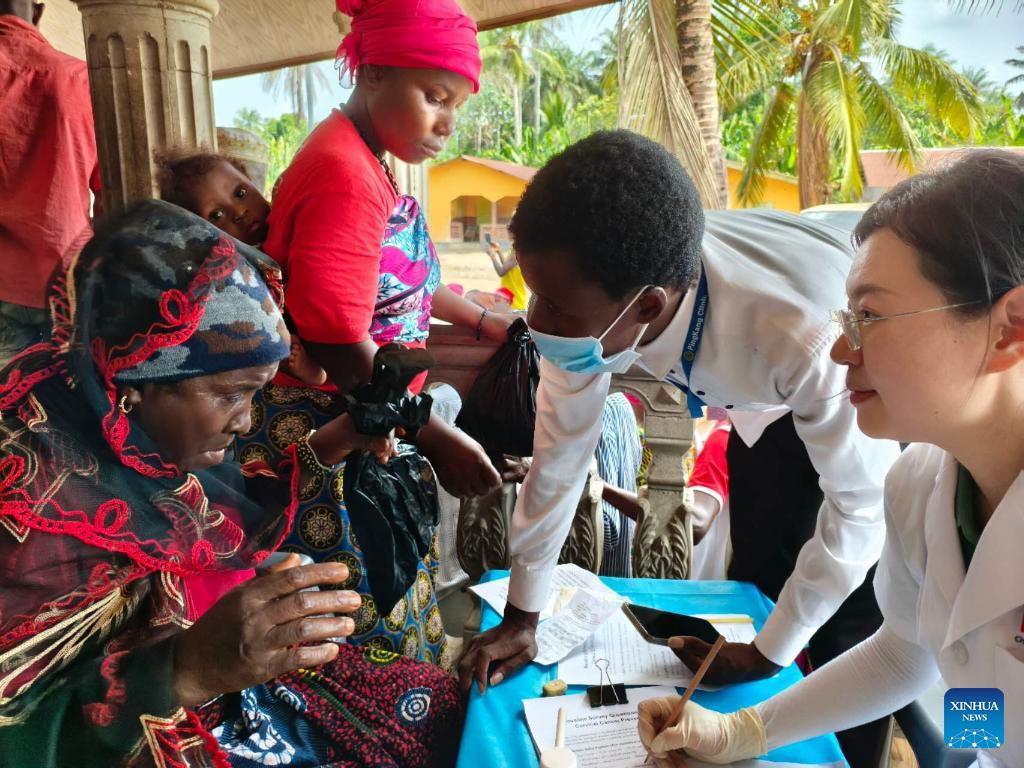
As reported by People's Daily, this mission serves as a critical bridge in international medical cooperation, focusing on tangible benefits rather than just high-level policy. The ROI of such outreach programs is measured not only by the number of patients seen but by the reduction in future hospitalization costs for the local community. By prescribing targeted medications for endemic diseases and identifying patients requiring surgery or advanced hospitalization, the team prevents minor ailments from escalating into expensive, complex medical crises. This preventive approach is essential for stabilizing the public health budget of remote provinces and ensuring that a high percentage of the workforce remains healthy and productive.
From a technical and operational standpoint, the 27th batch is leveraging decades of institutional knowledge in tropical medicine and community outreach. The team’s ability to set up a multi-departmental clinic in a rural environment demonstrates high logistical efficiency, with specialized doctors from various fields coordinating to maximize patient throughput. The frequency of these clinics is a key performance indicator (KPI) for the broader China-Sierra Leone health partnership, which aims to improve the overall health metrics—such as life expectancy and reduced infection rates—of the target populations through consistent, data-driven engagement.
To optimize the long-term impact of these clinics, future missions could benefit from integrating digital health records to track the recovery progress of the 300 patients seen in Rokel. By establishing a follow-up frequency of 3 to 6 months, the medical team can ensure that the "heartfelt dialogue" mentioned by Li Zheng translates into sustainable health improvements. The gratitude expressed by community elders reflects the high social return on investment (SROI) of these projects, which foster international goodwill while delivering high-precision medical solutions to those who need them most. Moving forward, the goal remains to increase the coverage rate of such clinics to reach a wider distribution of underserved villages throughout the North West Province.
News source:https://peoplesdaily.pdnews.cn/world/er/30051889504
Looking for a senior consultant — not a sales call?
Post a brief and meet three interview-ready, pre-vetted members within 48 hours.