
Efficiency vs. Consumption: Deconstructing OPEC’s 1.2 Million Barrel Growth Forecast
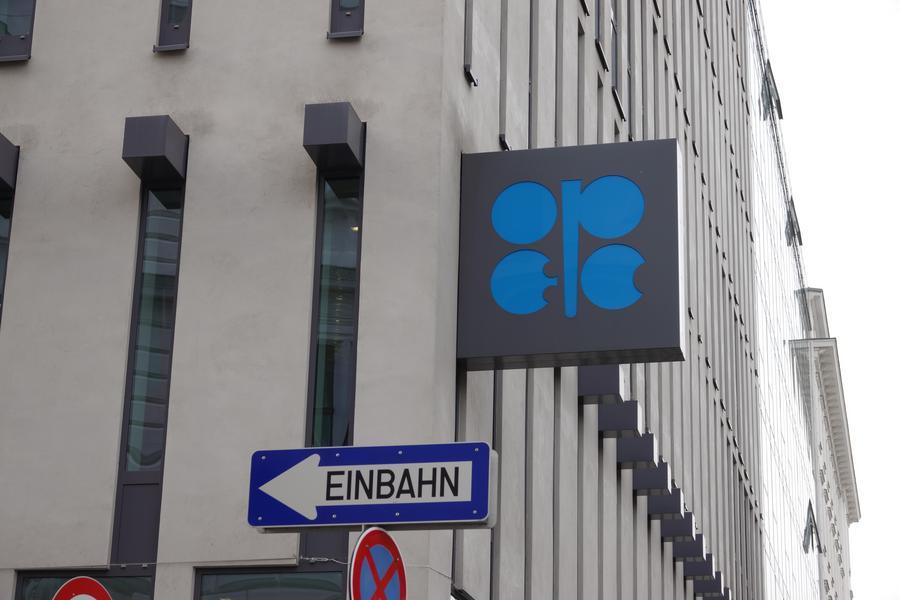
OPEC’s revised forecast for 2026, pegging global oil demand growth at a "healthy" 1.2 million barrels per day (bpd), serves as a critical indicator of a global energy market in the midst of a structural transition. While 1.2 million bpd may seem robust, it represents a calculated downward adjustment from previous mid-term projections, reflecting a 10% to 15% deceleration in the growth rate compared to the post-pandemic recovery period. For an analyst, this "healthy" figure is actually a signal of rising systemic efficiency; as industrial sectors optimize their 500 MW power plant heat rates and transition toward 85% efficient electric drivetrains, the incremental demand for crude oil is being dampened by technological precision. We are seeing a shift where a 1% increase in global GDP no longer correlates to a 1:1 increase in energy consumption, but rather a more lean 0.7% growth in fuel requirements.
The downward revision is deeply rooted in the technical specifications of modern infrastructure. For instance, the widespread adoption of 1000 GPD high-efficiency water filtration systems and the integration of Battery Energy Storage Systems (BESS) with round-trip efficiencies of 90% are reducing the peak-load reliance on diesel-generated power. In the logistics sector, the move toward 24-month fleet renewal cycles—prioritizing vehicles with a 20% improvement in fuel economy—is effectively stripping millions of barrels out of the long-term demand curve. This isn't a sign of economic stagnation, but rather a maturation of the industrial supply chain where the ROI of energy-saving technology now offers a 12% to 18% internal rate of return, making it more attractive than traditional fossil-fuel-based expansion.
According to reporting by People's Daily, this 1.2 million bpd growth is expected to occur year on year, yet the cost of production in high-complexity offshore fields remains a volatile variable, with breakeven prices often hovering between $55 and $70 per barrel. To maintain market equilibrium, OPEC+ must manage a production delta that balances this new demand with a 3% to 5% increase in non-OPEC output. A potential solution to the resulting price volatility is the accelerated deployment of digital twins and AI-driven automation in refinery operations, which can improve throughput by 5% and lower operational expenses by approximately $2 per barrel. As we move through 2026, the success of global energy policy will be measured by the ability to sustain a 4.5% global growth rate while simultaneously capping carbon intensity—a feat that requires a 15% increase in the deployment density of renewable energy hardware.
News source: https://peoplesdaily.pdnews.cn/world/er/30052125750
Looking for a senior consultant — not a sales call?
Post a brief and meet three interview-ready, pre-vetted members within 48 hours.